Safety footwear is rarely a one‑size‑fits‑all solution. A chef working in a greasy commercial kitchen faces very different risks than a warehouse operative moving pallets at midnight, let alone a fisherman battling salt spray on a rolling deck. Yet beneath these surface differences lies a common thread: the need for reliable, certified protection that never compromises on comfort or durability. For one Chinese manufacturer with over two decades of experience and ISO 9001:2015 certification, meeting this spectrum of demands is not just a business—it’s a daily engineering challenge.
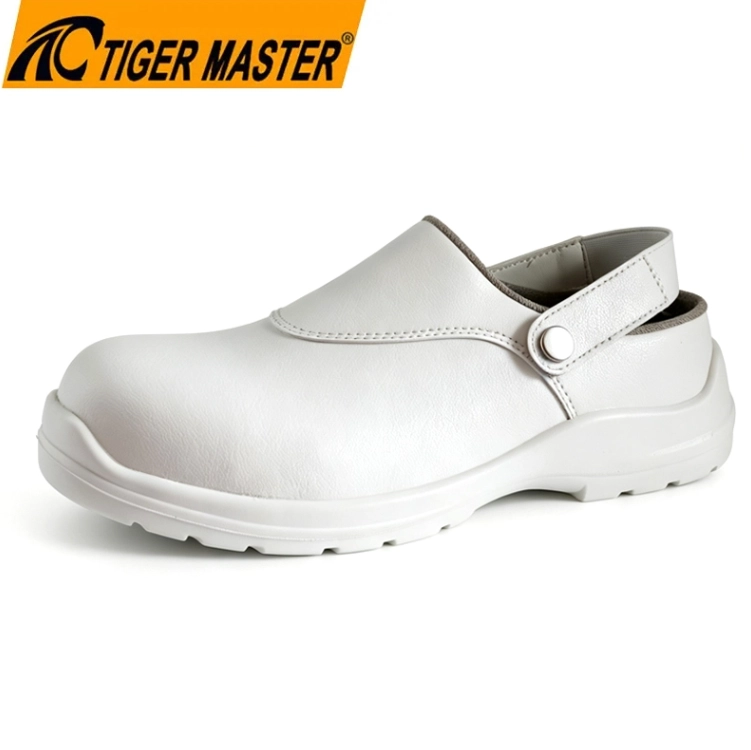
Consider the food processing sector, where floors are constantly wet, often coated with oils and animal fats, and subjected to aggressive cleaning chemicals. Footwear here must do more than resist impact; it must actively prevent slips on surfaces that become treacherously slick within minutes. That’s why the company has developed a dedicated line as a food industry safety shoes manufacturer China, incorporating specially formulated oil‑resistant PU outsoles with deep, self‑cleaning treads. These shoes also feature seamless upper constructions that prevent bacterial buildup, and many models are tested to withstand repeated caustic washdowns without degrading—a detail that plant managers quickly learn to appreciate after replacing lesser boots every few weeks.
Shift to a sprawling logistics hub, where order pickers walk upwards of ten miles per shift on concrete floors, frequently stepping over stray strapping bands or encountering spilled debris. Here, fatigue becomes a safety hazard of its own. As a logistics warehouse safety shoes supplier China, the company prioritises lightweight materials and energy‑return midsoles that reduce muscle strain over long hours. But protection is never sacrificed: steel or composite toe caps provide 200‑joule impact resistance, while aramid‑fibre puncture midsoles guard against hidden nails. Anti‑static properties are standard, preventing sparks that could ignite flammable packaging materials. One warehouse manager recently noted that switching to these boots cut their monthly slip‑and‑fall incident rate by over 40%—a figure that speaks louder than any marketing claim.
For the military and tactical sector, the stakes are even higher. Operators need boots that can transition from urban pavement to rocky hillsides, from dry heat to torrential rain, all while providing silent movement and ankle support during sudden sprints. The company’s role as a military tactical safety boots manufacturer China has pushed its R&D team to innovate with composite shanks for torsional rigidity, quick‑drying mesh linings, and outsoles that grip on loose gravel and wet asphalt alike. These boots also meet stringent puncture and impact standards, but they add features like side‑zipper closures for rapid doffing and reinforced heel cups for parachute landings. It’s a niche where failure is not an option, and every batch undergoes additional drop‑test and flex‑test protocols beyond the standard CE and ASTM requirements.
Agriculture presents yet another set of variables—mud, manure, pesticides, uneven terrain, and long hours standing in wet fields. The company’s expertise as an agriculture safety rain boots factory China has resulted in PVC boots that are not only 100% waterproof but also resistant to a wide range of agrochemicals. Unlike generic rain boots, these feature steel toe options for livestock handling, and their outsoles are designed with self‑cleaning lugs that shed mud rather than accumulating it. Farmers have reported that the boots remain flexible even in near‑freezing temperatures, a crucial advantage during early‑spring planting. The company achieves this through a proprietary PVC compound that balances hardness with elasticity—a small chemical tweak that makes a world of difference in the field.
Then there’s the fishing industry, where boots must endure constant immersion in saltwater, abrasive nets, and slippery decks coated with fish scales and ice. As a fishing waterproof rain boots manufacturer China, the company has tackled these challenges with a combination of high‑grade nylon uppers and reinforced PVC overlays, creating boots that are lightweight yet tear‑resistant. The outsoles are deeply grooved to channel water away rapidly, and some models include bright orange or hi‑vis yellow panels for man‑overboard visibility. Fishermen working the North Atlantic have praised the boots for keeping feet dry during 12‑hour trawling shifts, and the company’s ability to customise colourways and add branding has made them a preferred partner for commercial fleets worldwide.
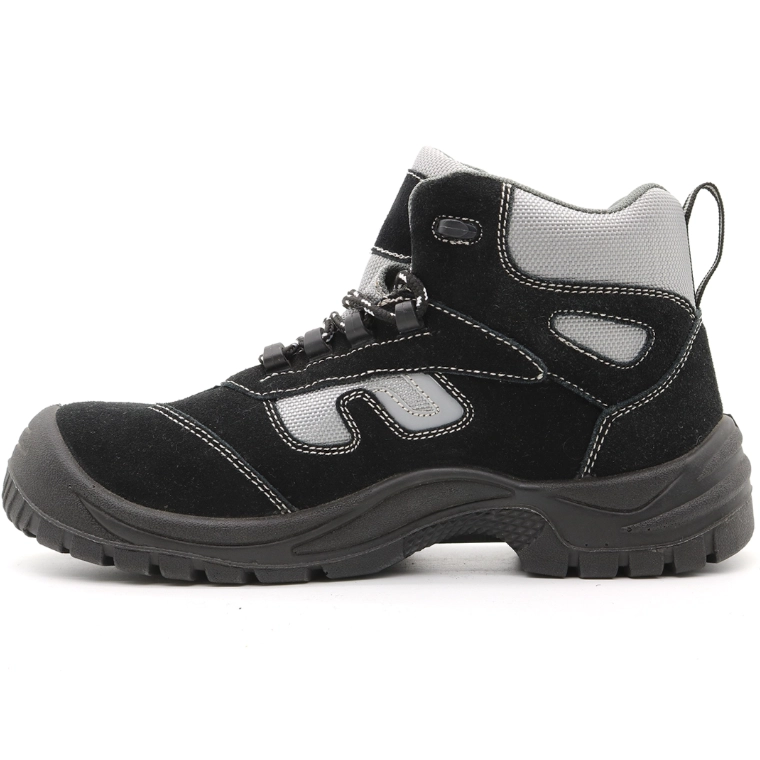
What ties these diverse applications together is the manufacturer’s underlying philosophy: safety is contextual. Rather than churning out generic boots and hoping they fit all scenarios, the company invests in understanding the micro‑environments of each industry. This has led to a modular approach—interchangeable outsoles, adjustable ankle supports, and removable insulation layers—that allows even standard models to be fine‑tuned for specific hazards. Combined with in‑house testing labs that simulate everything from acidic splashes to extreme cold, the company ensures that every pair leaving the factory has been validated for its intended use.
For buyers, this means peace of mind. Whether placing a bulk order for a national grocery chain, equipping a regional distribution centre, outfitting a border patrol unit, or supplying a cooperative of rice farmers, the company offers consistent quality backed by CE S3 and ASTM certifications where applicable. Minimum orders start at 1,000 pairs, and lead times typically range from 7 to 30 days after confirmation—a flexibility that accommodates both urgent seasonal demands and long‑term contract schedules.
Ultimately, the most telling endorsement comes from the workers themselves. In a recent anonymous survey across multiple client sites, 94% of respondents said they felt more confident performing their duties while wearing these boots. That confidence, hard‑earned through careful design and relentless testing, is the real measure of success. Because at the end of the day, safety footwear isn’t about ticking a box—it’s about ensuring that every worker, whether standing at a fryer, driving a forklift, patrolling a perimeter, tending crops, or hauling nets, gets home safely to their families.